
Proprioceptive Exercise
Updated: Aug 3
What are Proprioceptive Exercises?
Proprioceptive exercises are movements that help your body improve its sense of position, balance, and coordination. This “body awareness” is what allows your joints to stay stable whether you’re standing still or moving.
When proprioception is reduced—often due to injury or lack of movement—your joints can feel unstable, and your risk of further injury increases.

Benefits of Proprioceptive Exercises
Improving proprioception can make a big difference in how your body feels and functions. Key benefits include:
Better joint stability and control
Reduced risk of re-injury
Increased confidence in movement
Improved mobility and flexibility
Less strain on surrounding muscles (which often overcompensate when joints are unstable)

What Do These Exercises Involve?
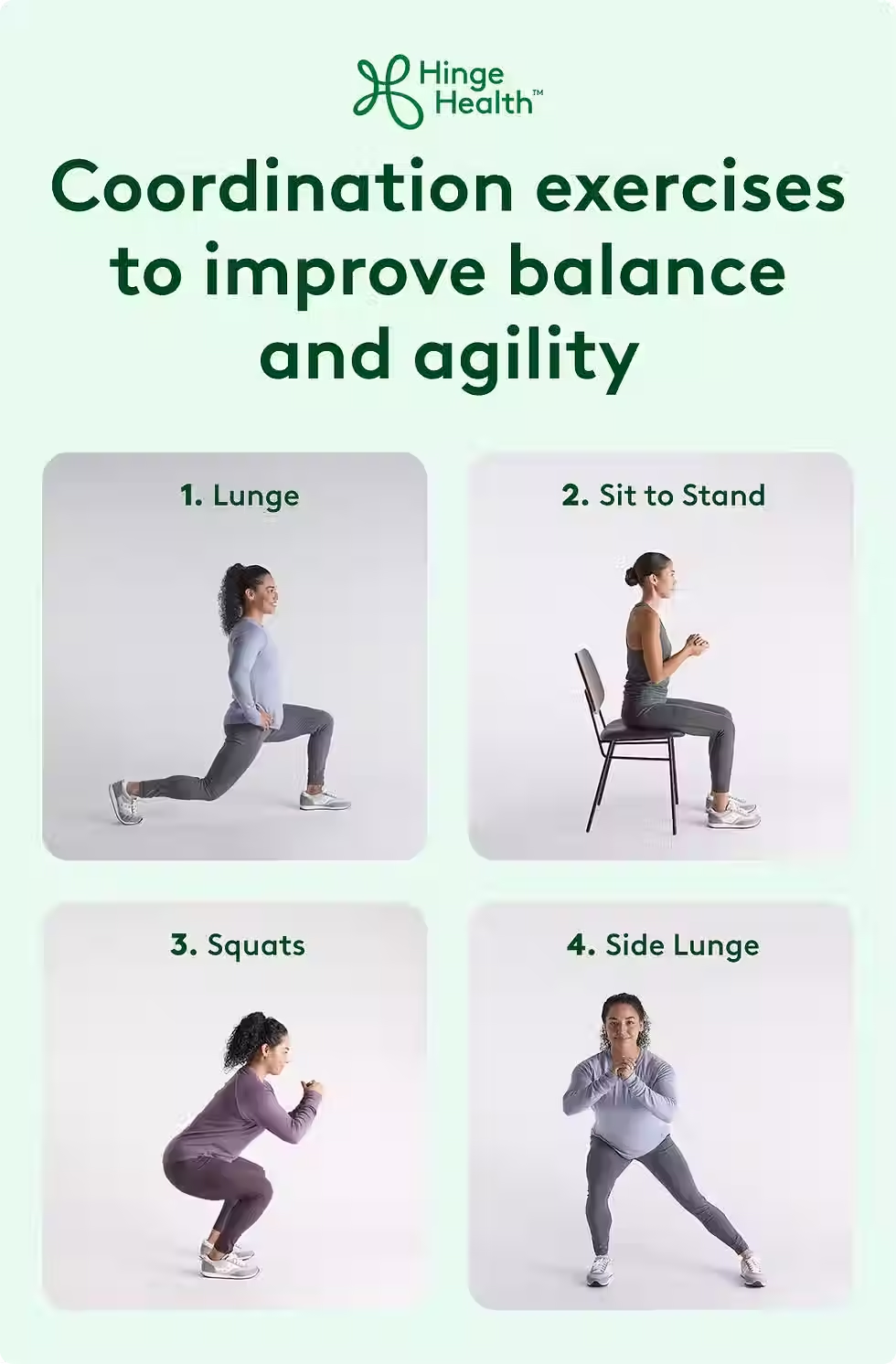
A proprioceptive exercise program is usually progressive, meaning it starts simple and becomes more challenging as your body improves.
It may include:
A full assessment to understand your condition
Tracking progress over time
Controlled movements within a safe range
Exercises to improve reaction time and coordination
Strength-building exercises
Functional movements that mimic daily activities
Guidance on how to maintain progress on your own
Who Can Benefit?
Proprioceptive training is helpful for many people, especially those who experience:
Repeated injuries (like ankle sprains)
Joint instability (shoulder, knee, or ankle)
Swelling or stiffness in a joint
Ongoing joint pain
Ligament or tendon injuries
Recovery after surgery
How Chiropractic Care and Exercise Help
Chiropractic care combined with the right exercises can play a key role in restoring proprioception. Adjustments help realign joints and improve how your nervous system communicates with your body. When paired with targeted exercises, this helps “retrain” your proprioceptive receptors—improving stability, coordination, and overall function.
Over time, this approach not only supports recovery but also helps prevent future injuries by strengthening how your body moves and responds.


Comments